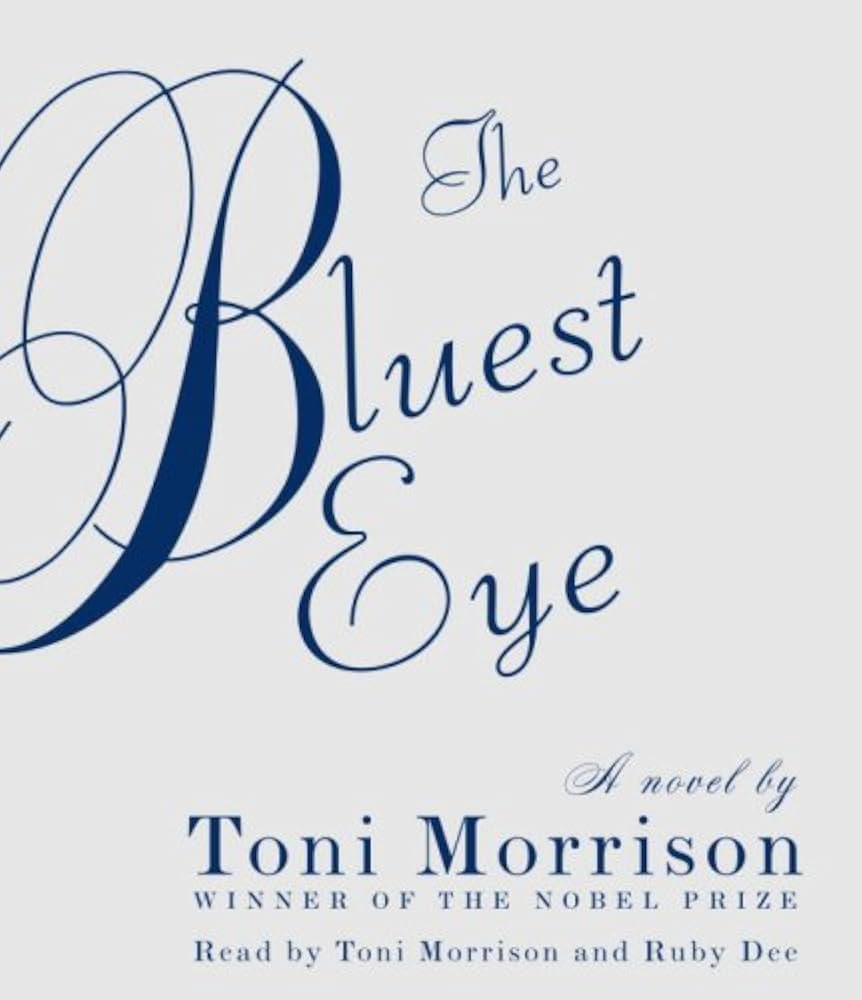

The Bluest Eye by Toni Morrison
About the Author
Toni Morrison was an influential American novelist, editor, and academic whose work centered on African American experiences, identity, and historical memory. Known for her poetic language and emotional depth, Morrison confronted racism, trauma, and beauty standards in American society. She was awarded the Nobel Prize in Literature in 1993 and remains one of the most important voices in modern literature.
Story in Brief
The Bluest Eye tells the heartbreaking story of Pecola Breedlove, a young Black girl who internalizes society’s racist ideals of beauty and longs for blue eyes, believing they will make her lovable and accepted. Set in 1940s Ohio, the novel explores themes of racial self-hatred, childhood innocence, trauma, and the destructive impact of societal standards on marginalized individuals.
Challenges / Bans
The Bluest Eye is among the most frequently challenged novels in the United States due to its difficult subject matter:
School Bans: Removed or restricted in schools for depictions of sexual abuse, incest, and violence.
Content Objections: Challenged for explicit language and emotionally disturbing themes.
Public Controversy: Some critics argue the novel is inappropriate for younger readers, despite its literary significance.
Why It’s Still Important
The Bluest Eye is a powerful indictment of racism, colorism, and imposed beauty ideals. Its unflinching portrayal of trauma forces readers to confront uncomfortable truths about society and empathy. Banning this novel risks silencing marginalized voices and erasing conversations about injustice, making it an essential work for understanding humanity, compassion, and social responsibility.