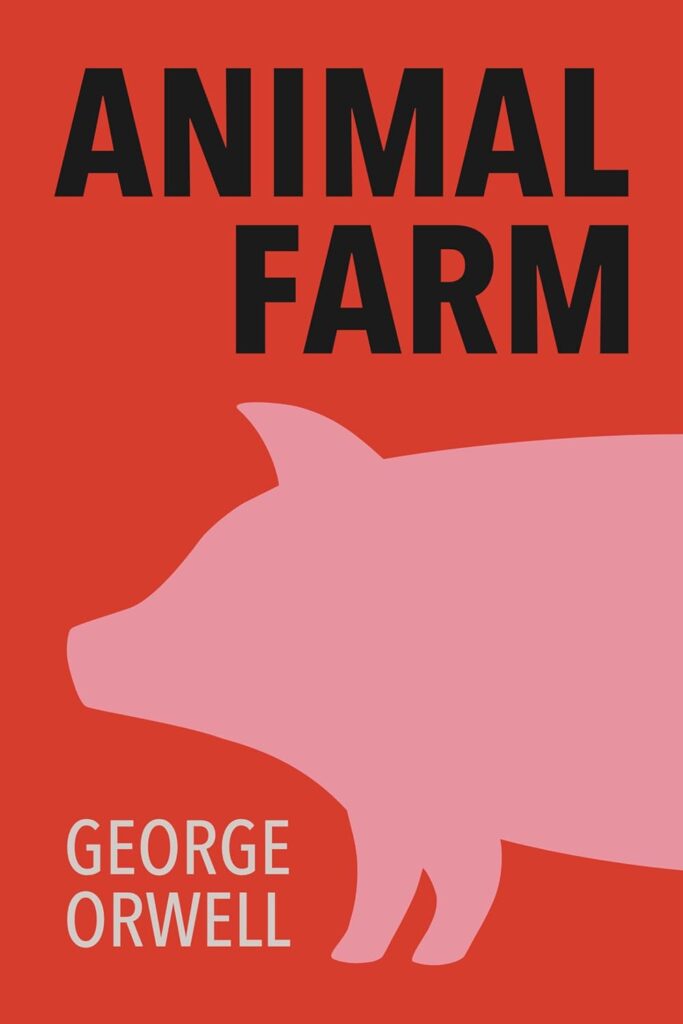

Animal Farm by George Orwell
About the Author
George Orwell (Eric Arthur Blair) was an English novelist, essayist, and journalist known for his lucid, socially conscious writing. His works often exposed political corruption, propaganda, and social injustice. Through allegory and satire, Orwell highlighted the dangers of totalitarianism and the abuse of power, leaving an enduring legacy in political and literary discourse.
Story in Brief
Animal Farm is an allegorical novella depicting a group of farm animals who overthrow their human farmer in hopes of creating an egalitarian society. However, the pigs gradually seize power, manipulating language and ideology to establish a dictatorship even more oppressive than the humans’. The story examines themes of corruption, propaganda, inequality, and the betrayal of revolutionary ideals.
Challenges / Bans
Animal Farm has faced frequent censorship worldwide due to its political content and perceived criticism of authority.
Soviet Union & Eastern Bloc: Banned for its satire of Stalinism and critique of totalitarian regimes.
Cold War-Era West: Occasionally challenged in schools for being “subversive” or “communist propaganda.”
Modern School Challenges: Criticized for political themes, perceived cynicism, and unsettling allegorical depictions of oppression.
Why It’s Still Important
Animal Farm remains a timeless exploration of power, corruption, and social manipulation. Its allegory encourages readers to question authority, understand propaganda, and recognize the fragile nature of freedom. Silencing this work diminishes awareness of political and social injustice, making it essential reading for cultivating critical thinking and moral insight.