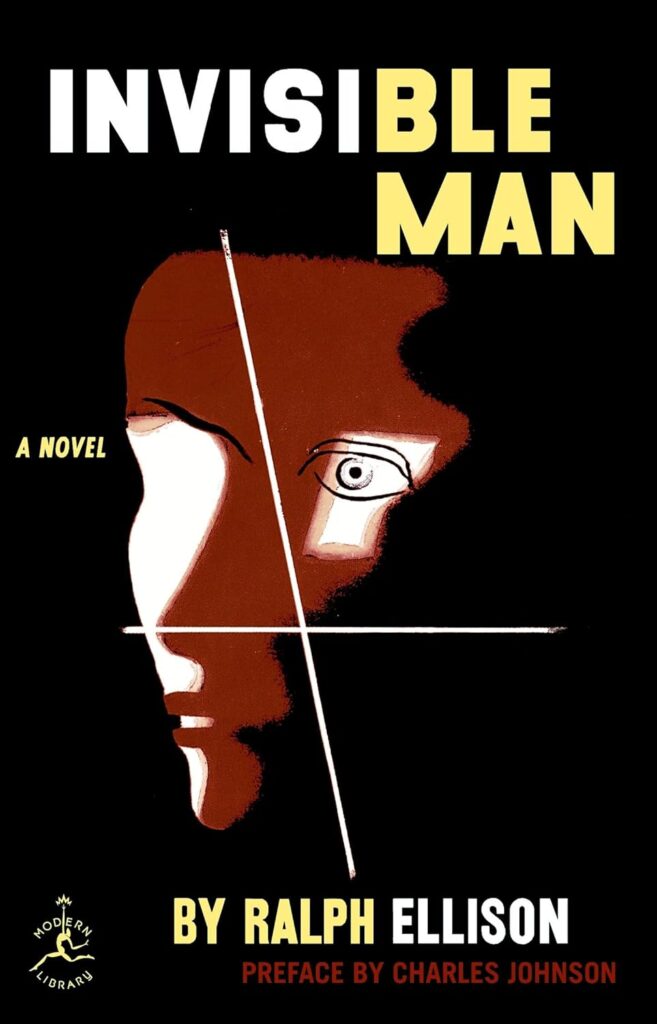

Invisible Man by Ralph Ellison
About the Author
Ralph Ellison was an American novelist, essayist, and literary critic whose work examined identity, race, and individuality in modern America. Deeply influenced by jazz, folklore, and existential philosophy, Ellison rejected simplistic portrayals of Black life, insisting on complexity and humanity. Invisible Man (1952), his only novel, won the National Book Award and remains a cornerstone of American literature.
Story in Brief
Invisible Man follows an unnamed Black narrator who describes himself as “invisible” because society refuses to truly see him. Moving from the segregated South to Harlem, he navigates education, labor, political movements, and ideological manipulation. As he is repeatedly used and discarded by institutions claiming to offer progress, the narrator grapples with identity, selfhood, and belonging. The novel blends realism, symbolism, and surrealism to explore race, power, alienation, and the search for meaning.
Challenges / Bans
Despite its acclaim, the novel has faced censorship and controversy:
United States: Frequently challenged in schools for profanity, sexual references, and mature themes.
Political Sensitivity: Criticized for its portrayal of radical politics and institutional hypocrisy.
Cultural Discomfort: Targeted for confronting racism, identity erasure, and social manipulation.
Why It’s Still Important
Invisible Man remains a profound meditation on what it means to exist in a society that refuses recognition. Its exploration of invisibility, ideological control, and personal agency continues to resonate in modern conversations about race and identity. Banning this novel risks silencing one of the most intellectually daring and honest examinations of American life.