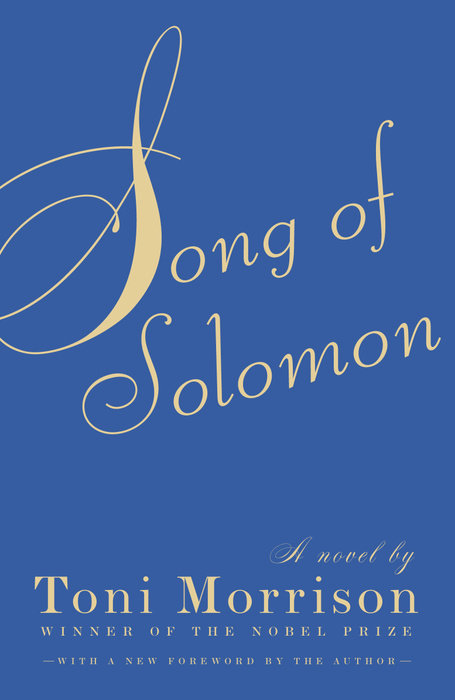

Song of Solomon by Toni Morrison
About the Author
Toni Morrison was an acclaimed American novelist, editor, and professor, celebrated for her exploration of African American life, history, and identity. Her lyrical and powerful storytelling addresses themes of race, gender, and cultural memory. Morrison received the Nobel Prize in Literature in 1993 and the Pulitzer Prize for Fiction in 1988, leaving an enduring legacy in both American and global literature.
Story in Brief
Song of Solomon follows the life of Milkman Dead, an African American man navigating family history, identity, and self-discovery in mid-20th-century Michigan. As Milkman uncovers his ancestral roots, he confronts themes of heritage, community, and personal freedom. Morrison weaves folklore, magic realism, and rich symbolism, creating a profound narrative about the search for meaning, belonging, and self-knowledge.
Challenges / Bans
Song of Solomon has faced censorship for its frank depictions of sexuality, racial identity, and social issues:
- School Challenges: Frequently challenged in American schools for sexual content and language.
- Cultural Sensitivity: Criticized for exploring themes of violence and explicit depictions of African American life, which some considered controversial or inappropriate.
- Public Debate: Its unflinching portrayal of race, class, and gender has sparked discussions about literary freedom and societal values.
Why It’s Still Important
Song of Solomon remains a seminal work for understanding African American history, culture, and the complexity of identity. Its exploration of self-discovery, family, and social structures encourages readers to reflect critically on heritage, community, and personal growth. Silencing such voices diminishes the richness of literature and cultural discourse, making this novel essential reading for insight, empathy, and awareness.