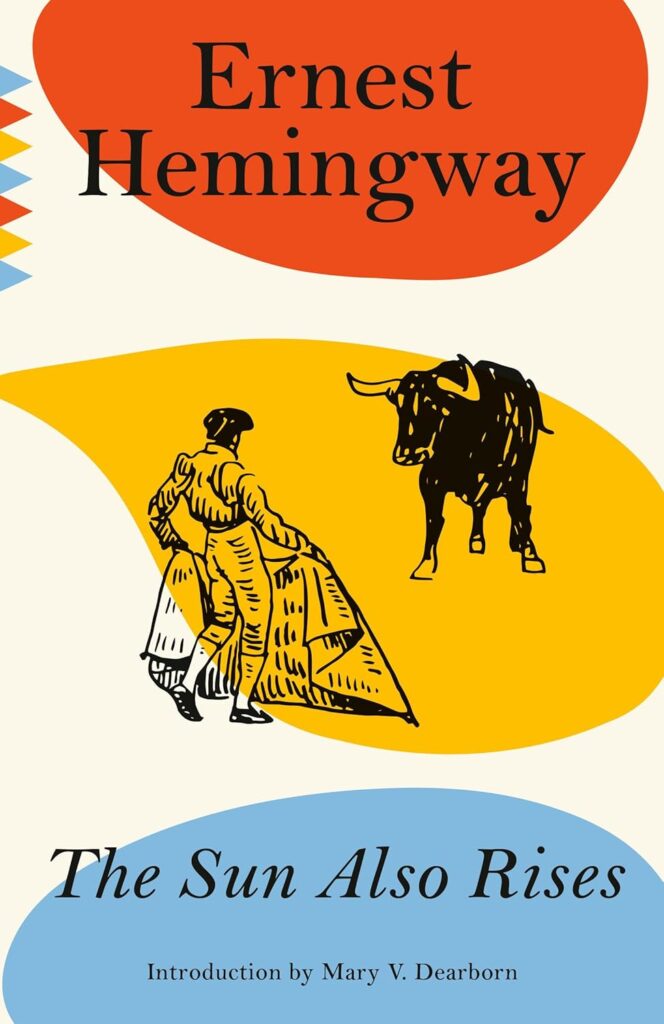

The Sun Also Rises by Ernest Hemingway
About the Author
Ernest Hemingway was an American novelist, journalist, and Nobel Prize–winning writer known for his minimalist prose and exploration of masculinity, loss, and disillusionment. A veteran of World War I, Hemingway’s writing was deeply shaped by trauma, exile, and emotional restraint. The Sun Also Rises (1926), his first major novel, defined the “Lost Generation” and established his enduring literary style.
Story in Brief
Set in post–World War I Europe, The Sun Also Rises follows Jake Barnes, an American expatriate living in Paris, and his circle of friends as they drift between cafés, relationships, and travels through Spain. Jake’s unspoken love for Lady Brett Ashley, complicated by his war-inflicted injury, forms the emotional core of the novel. Against the backdrop of the Pamplona bullfights, the story explores themes of alienation, love, masculinity, trauma, and the search for meaning in a spiritually exhausted world.
Challenges / Bans
Despite its canonical status, the novel has faced censorship:
United States: Frequently challenged in schools for sexual themes, profanity, and references to alcohol.
Moral Objections: Criticized for portraying promiscuity, moral aimlessness, and nontraditional relationships.
Cultural Sensitivity: Targeted for its depiction of gender roles and emotional detachment.
Why It’s Still Important
The Sun Also Rises remains a defining portrait of emotional disillusionment and modern identity. Its restrained style and honest portrayal of wounded masculinity continue to influence literature and cultural conversations about trauma, intimacy, and purpose. Banning this novel risks erasing one of the most truthful explorations of how a generation tried—and often failed—to rebuild meaning after devastation.