
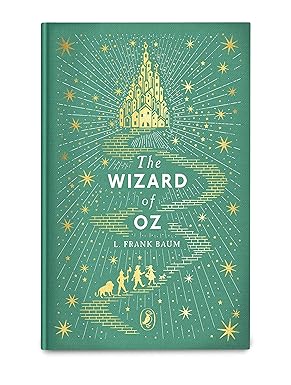
Synopsis & Themes
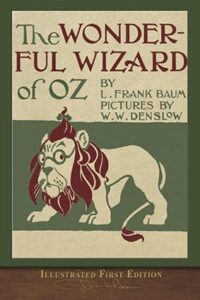
The Wizard of Oz by L. Frank Baum , first published in 1900, is a beloved American children’s novel by L. Frank Baum. It follows the story of Dorothy, a young girl from Kansas, who is swept away by a tornado to the magical land of Oz. In her quest to return home, she embarks on a journey along the Yellow Brick Road to meet the mysterious Wizard of Oz.
Along the way, she befriends a Scarecrow who desires a brain, a Tin Woodman in search of a heart, and a Cowardly Lion who longs for courage. Together, they face witches, flying monkeys, and many adventures that help them discover their inner strengths. In the end, Dorothy learns that home was within her reach all along.
The story explores timeless themes such as self-discovery, friendship, courage, and the idea that what we seek externally often lies within us. Each of Dorothy’s companions already possesses the qualities they think they lack—intelligence, compassion, and bravery—showing that self-belief is powerful.
The novel also touches on the meaning of “home” and the desire to belong. Additionally, The Wizard of Oz has been interpreted as a political allegory about American society at the turn of the 20th century, though Baum himself denied this intent.
Awards and Legacy
While the original book did not receive major literary awards at the time, its legacy is enormous. The Wizard of Oz became one of the most famous and enduring stories in American literature. The 1939 film adaptation, starring Judy Garland, brought the story to millions of viewers and earned multiple Academy Awards.
The novel has inspired countless retellings, musicals like Wicked, animated series, and stage productions. It remains a key part of American pop culture and is still widely read by children and adults today.
Challenges
Surprisingly, The Wizard of Oz by L. Frank Baum has faced challenges and bans over the years. Some critics argued that the book promoted witchcraft and that Dorothy’s strong and independent character was “unladylike.” Others believed it encouraged disobedience and rebellion against authority.
In the 1950s and 60s, some libraries and schools banned the book, claiming it lacked literary merit or moral values. Despite these objections, the book has continued to be embraced by generations as a story of imagination, empowerment, and hope.
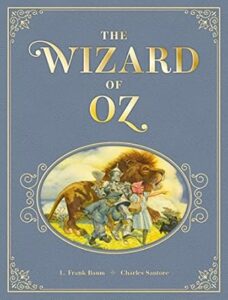
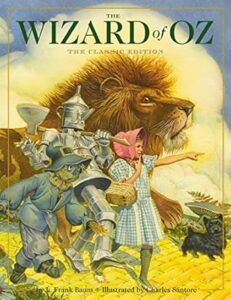
About the Author
L. Frank Baum was born in 1856 in New York. Before becoming a writer, he tried his hand at many careers, including acting, journalism, and shopkeeping.
In 1900, he published The Wonderful Wizard of Oz, which became a huge success. Baum went on to write thirteen more Oz books, as well as other children’s stories.
He had a deep love for storytelling and believed in the magic of imagination. Baum’s work helped establish American fairy tales and continues to inspire fantasy writers to this day. He passed away in 1919, but his world of Oz lives on in books, movies, and the hearts of readers everywhere.
Further Reading
The Baum Bugle (International Wizard of Oz Club)
Library of Congress – The Wizard of Oz Collection